
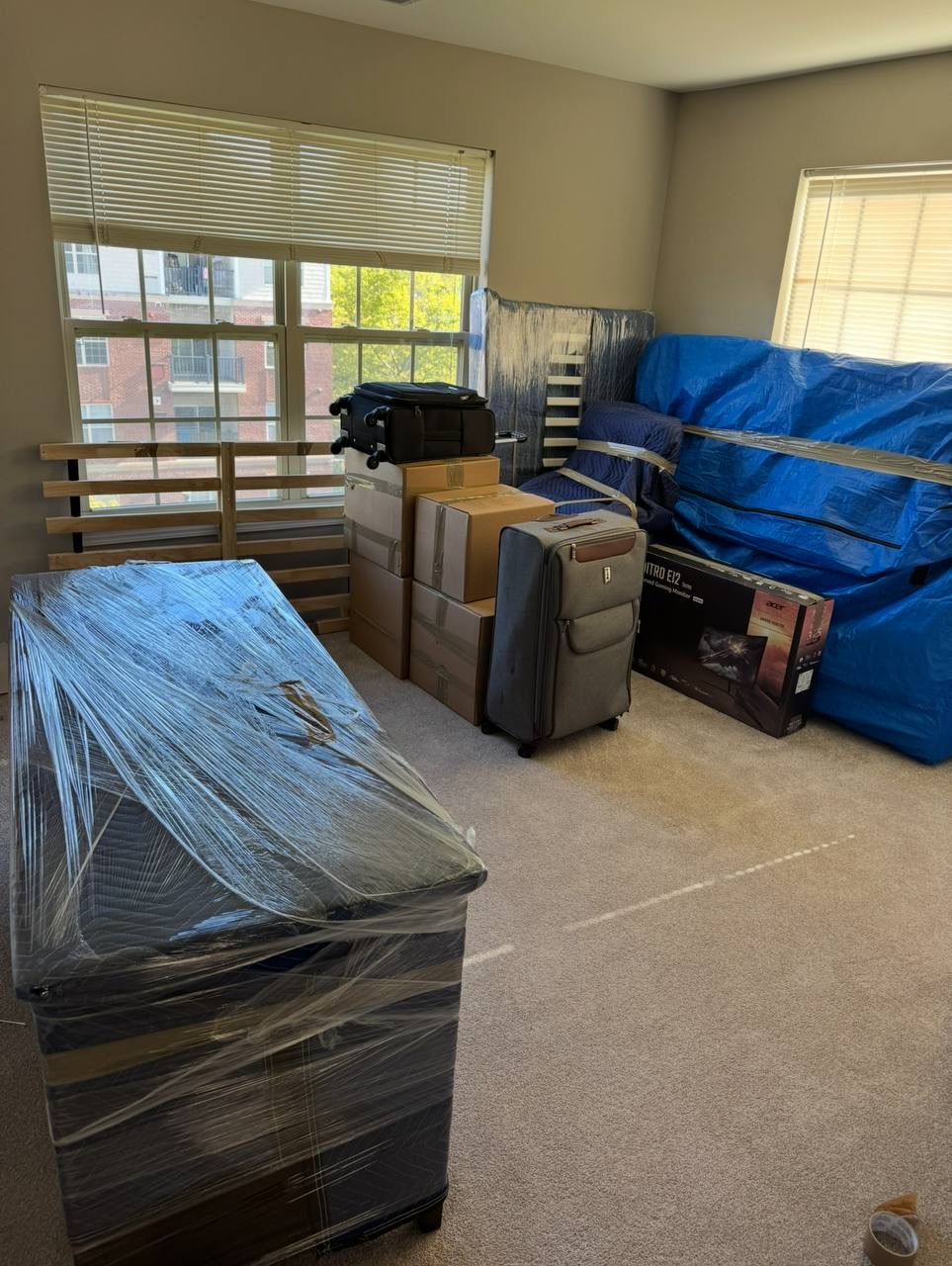
Packing is where moves are won or lost. Load a truck with well-packed boxes and the whole day flows: fast carries, tight stacks, nothing broken. Load it with garbage bags, half-taped cartons, and loose lampshades, and you get a slow, expensive, furniture-scratching mess.
This guide walks through packing the way professional crews think about it: supplies first, rules that apply everywhere, then each room with its specific traps. Follow it and your boxes will arrive in the same shape they left.
Before You Pack a Single Box
Declutter first
Packing things you do not want is the purest waste in moving: you pay in boxes, in tape, in hours, and in truck space for items destined for a donation bin. Go through every room with keep, sell, donate, and trash piles before a single box gets taped. The best time to get rid of something is before you have ever packed it.
Gather the right supplies
A functional packing kit for a typical apartment:
- Small boxes (1.5 cubic feet): books, tools, canned goods, anything dense
- Medium boxes (3 cubic feet): kitchen gear, toys, shoes, small appliances
- Large boxes (4.5 cubic feet and up): linens, pillows, lampshades, light bulky items
- Wardrobe boxes: clothes on hangers, straight from closet to box
- Dish pack boxes: double-walled, for dishes and glassware
- Packing paper: clean, ink-free, and cheap in bulk. Newspaper works but leaves ink on everything
- Bubble wrap: for genuinely fragile items, not everything
- Tape: real packing tape, a tape gun, and more rolls than seems sane
- Markers: thick, dark, one per family member
- Stretch wrap: for furniture drawers, bundles, and protecting upholstery
If assembling this sounds like a chore, that is because it is. A professional packing service arrives with all of it, plus the experience of packing hundreds of kitchens, and finishes most apartments in a single day.
Where to get boxes without overpaying
Liquor stores and bookstores give away strong small boxes for free. Grocery stores have volume but weaker cardboard. Online marketplaces are full of people giving away a recent move’s worth of supplies. Whatever the source, inspect every box: soft corners, moisture stains, or old food smells mean it fails under load.
The Seven Rules of Every Box
Professionals pack thousands of boxes a year, and the rules never change:
- Heavy things in small boxes, light things in large ones. A large box of books is a hernia with handles. A small box of pillows is a waste of cardboard.
- Keep every box under 50 pounds. That is the line where one person can carry a box safely and the bottom can survive the trip.
- Fill every gap. Empty space lets contents shift, and shifting breaks things. Crumpled paper, towels, and linens are all filler.
- Tape the bottom twice. Two strips along the seam, one across it in an H pattern. The bottom is the failure point.
- Heavy on the bottom, light on top. Gravity works inside boxes too.
- One room per box. Mixed boxes are miserable to unpack and impossible to label honestly.
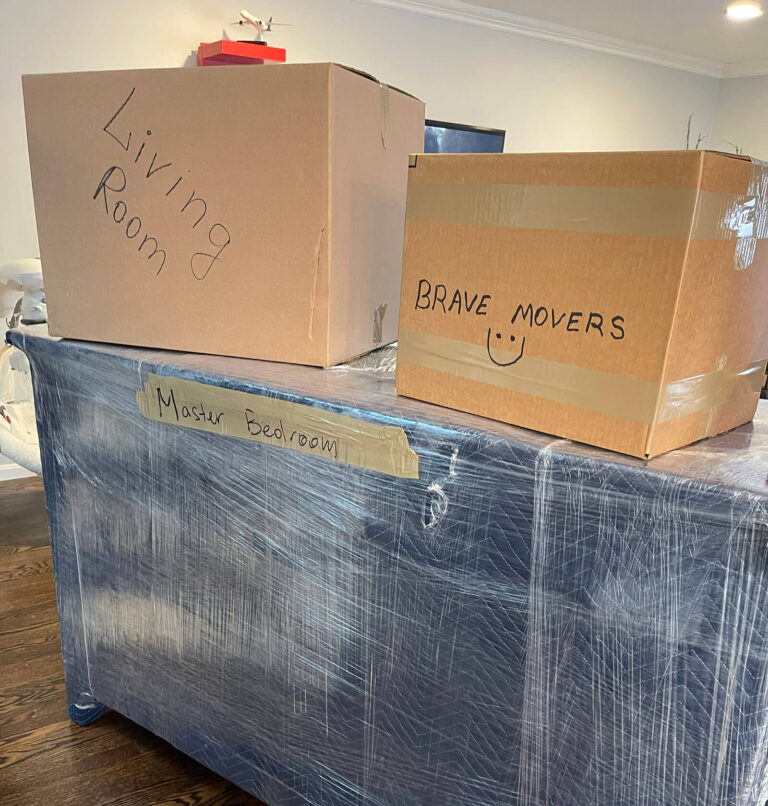
- Label two sides plus the top. Room, contents, and “FRAGILE” or “THIS SIDE UP” where needed. Labels on only the top vanish the moment boxes stack.
Kitchen: The Room That Breaks
Kitchens hold the most fragile items and take the longest to pack. Budget double the time you expect.
Dishes. Pack plates vertically, like records in a crate, each one wrapped in paper. Vertical plates survive bumps that shatter stacked flat ones. Bowls go in nested with paper between each.
Glasses and stemware. Stuff each glass with crumpled paper, wrap the outside, and pack them upright in a dish pack with divided cells if you have one. Stemware always goes bowl-down, never on its side.
Pots and pans. Nest them with paper between layers. Lids wrap separately or nest upside down on their pots.
Knives. Guard the blades, bundle them, and label the bundle honestly. An unmarked bundle of knives is a moving day injury.
Pantry. Seal open packages in bags or bins. Toss anything expired, which is more than you think. Glass jars get wrapped like glasses. Oils and vinegars travel sealed in plastic bags, upright, in a plastic bin, because a leaked olive oil bottle ruins everything below it.
Appliances. Small appliances pack in their original boxes if you kept them, or wrapped in paper in snug boxes with cords taped to the body. The microwave’s glass tray comes out and packs separately.
Bedroom: Fast and Forgiving
Clothes on hangers go straight into wardrobe boxes, still hanging. A full closet transfers in minutes and unpacks in seconds.
Folded clothes stay in dresser drawers if the dresser is solid wood and the crew agrees, or pack into medium boxes and suitcases. Dresser drawers left full of clothes are fine; drawers full of books are not.
Shoes pack in their boxes or wrapped in pairs so heels do not puncture anything. Fill the gaps with socks, which need packing anyway.
Bedding and pillows fill large boxes and make excellent padding for fragile items in a pinch.
Jewelry and personal documents do not go in the truck at all. They travel with you, in your bag, no exceptions.
Living Room: The Heavy and the Awkward
Books go in small boxes only, spines down or flat, never spine-up. Fill the box completely; a half-full book box crushes under the stack.
Electronics. Original boxes are ideal. Without them, wrap screens in a soft layer first, then bubble wrap, and pack upright with nothing on top. Photograph the cable setup before unplugging anything, and bag each device’s cables with a label. Remotes, screws, and stands tape to the device they belong to.
TVs never lie flat in a box or truck. Upright, screen protected, marked fragile on all sides.
Art and mirrors get corner protectors and cardboard sandwiching, then a mirror box or a custom flat package. Mark every side GLASS. Small framed pieces can box together with padding between.
Lamps disassemble: shade, bulb, and harp pack separately from the base. Lampshades nest inside each other in a large box with nothing else, since they dent if you look at them wrong.
Rugs roll tight around a paper tube if you have one, wrap in plastic, and tape. A folded rug creases permanently.
Bathroom: Small but Sneaky
Toss expired medications and half-empty products first; bathrooms hoard both. Seal every liquid bottle with tape under the cap, then bag them in zip bags grouped by type. Pack bottles upright in a plastic bin rather than cardboard, because something always leaks.
Towels and bathmats either pack as linens or serve as free padding for kitchen boxes. Keep one full set of towels out for the first night, along with shower curtain, soap, and toilet paper, in your essentials box.
Home Office: The Paper Room
Documents. Sort before packing: keep, shred, recycle. A move is the best excuse you will ever get to clear a filing cabinet. Critical papers, meaning passports, titles, tax records, and contracts, join the jewelry rule: they ride with you.
Computers. Back up everything to the cloud or an external drive before you pack a single cable. This is the step people skip and regret. Then photograph ports, unplug, bag cables by device, and pack the tower or monitor upright with padding. Original monitor boxes are worth their weight in gold.
Books and supplies follow the same rules as the living room: small boxes, heavy on the bottom.
Garage, Basement, and Storage: The Forgotten Frontier
These spaces eat entire days if left for last, so start them early.
Tools bundle and wrap; long-handled garden tools tape together in groups. Drain fuel from lawnmowers, snowblowers, and anything with an engine, since movers legally cannot take fueled equipment.
Hazardous materials do not move. Paint, propane, chemicals, solvents, and ammunition are on every mover’s excluded list. Use them up, give them away, or dispose of them through your city’s hazardous waste program. Plan a car trip for the small amount you legitimately need to keep.
Shelving and sports equipment disassemble where possible. Keep every screw and bracket in a labeled bag taped to the item it came from. Future you, reassembling a garage shelf at 9 p.m., sends thanks.
Fragile Items: The Professional Method
For anything that would genuinely upset you to lose, use the double-wrap method:
- Wrap the item in clean paper as a first skin.
- Add a bubble wrap layer for anything truly delicate.
- Pack in a snug box with two inches of crumpled paper on every side, bottom included.
- Fill all remaining space so nothing can move when you shake the box gently.
- Mark the box FRAGILE on the top and at least two sides.
For genuinely valuable or irreplaceable pieces, meaning art, antiques, instruments, and heirlooms, consider custom crating or let professionals pack just those items. The cost of professionally packing ten fragile pieces is a fraction of replacing one.
Labeling and Inventory: The System
Every box gets: room name, brief contents, and handling notes. Go one level further and number your boxes while keeping a phone-note inventory: “Box 14, kitchen, everyday dishes.” The first night you need the coffee grinder, that note earns its keep.
Color coding works well for families: one tape or marker color per room, with a matching sheet of paper taped to each room’s door at the new place. The crew places boxes correctly without asking you forty times.
The Essentials Box
One box, or a suitcase, holds everything you need for the first 24 hours and travels with you, not on the truck:
- Toiletries, medications, and two days of clothes
- Phone and laptop chargers
- Toilet paper, hand soap, paper towels, trash bags
- Box cutter, scissors, basic tools, flashlight
- Plates, cups, cutlery for the household, plus coffee supplies
- Bedding for the first night, towels, shower curtain
- Documents, jewelry, and anything irreplaceable
- Snacks and pet food if applicable
Mark it OPEN FIRST on every side. When the truck leaves and the new place is a sea of cardboard, this box is the difference between a tired but functional evening and digging through forty boxes for a phone charger.
What Not to Pack
Some things never go on the truck, by law or by sense:
- Hazardous materials: paint, propane, chemicals, fuel, ammunition
- Perishable food
- Important documents, jewelry, cash, and irreplaceables
- Plants, which many movers decline and no truck treats kindly
- Pets, always and obviously, who ride with you
- Anything you will need within the first day at the new place
What to Pack When: The Packing Order
Random packing is how the winter coats end up boxed in July and the coffee maker vanishes the week before the move. Pack in reverse order of need:
Four to six weeks out: storage areas, seasonal items, books you will not reread, decor, guest room, and anything decorative on walls.
Two to three weeks out: most of the kitchen except daily dishes, off-season clothes, extra linens, hobby gear, and the bulk of the home office.
One week out: everything except the core daily kit: one set of dishes per person, a week of clothes, toiletries, work equipment, and pet supplies.
Day before: the essentials box, last electronics, phone chargers at the very last moment, and bedding the morning of the move.
The test for whether something can be packed is simple: if you have not used it in two weeks and will not need it in the next two, it goes in a box today. And if the thought of this entire process already feels like too much, remember that a packing crew compresses all four weeks into one working day.
The Bottom Line
Good packing is not talent. It is supplies, technique, and starting early enough that you are never rushed. Declutter before you tape a box, follow the seven rules, treat the kitchen with the respect it demands, and keep one essentials box within arm’s reach.
And if the calendar says there is no time to do this right, that is what professional packers are for. Book packing along with your move through our booking page and the whole thing is handled, boxes and all.
Frequently asked questions
Working alone in evenings, plan on one to two weeks for a one-bedroom and two to three weeks for a two-bedroom. A professional crew packs the same spaces in four to eight hours. The kitchen alone takes most people a full day.
Light, soft contents like clothes can usually stay in solid wood dressers. Anything heavy, fragile, or loose comes out. Pressed-wood furniture travels empty regardless, because it was never built to move while loaded.
Keep hanging clothes on hangers and drop them straight into wardrobe boxes or garbage bags slipped over groups of hangers, tied at the hooks. Folded clothes go into suitcases and medium boxes. Vacuum bags shrink bulky winter items to a third of their volume, though the wrinkles are the price.
Run the honest math: supplies for a two-bedroom run a few hundred dollars, plus fifteen to thirty hours of your time, plus the risk of amateur packing breaking something you care about. Professional packing costs more in dollars and less in everything else, and it comes with accountability: items packed by the crew are covered by the mover’s protection in ways self-packed boxes are not.
Glasses packed on their sides, plates packed flat, lampshades crushed under other items, and anything in an overfilled or underfilled box. Every one of those is a technique failure, not bad luck, and every one is preventable with the methods above.
Small boxes. They are the workhorse of every move because density, not volume, is what makes a box fail. Books, dishes, tools, and pantry goods all belong in small boxes, while large boxes exist for pillows, linens, and lampshades only. When in doubt, go smaller.
Wrap the screen in a soft blanket or foam sheet first, then bubble wrap, then slide it into a flat TV box or between two cut cardboard panels taped into a sleeve. It travels upright, marked fragile, with nothing stacked against the screen side.
Absolutely. Suitcases are perfect for books and heavy items since they have wheels and rigid frames. Plastic bins work well and double as storage containers at the destination. Garbage bags are fine for linens and nothing else.
You May Also Like

Moving to Boston: A Neighborhood Guide for Newcomers
A newcomer's guide to Boston neighborhoods: rent levels, the September 1 lease cycle, broker fees, transit, and which areas fit students, professionals, and families.
How to Choose a Moving Company in Boston: Licenses, Insurance, Red Flags
How to pick a Boston mover without getting burned: USDOT verification, real insurance vs the $0.60 default, quote traps, scam red flags, and the eight questions that reveal everything.
The Ultimate Moving Checklist: Your 8-Week Moving Timeline
A complete 8-week moving checklist: booking movers, packing, address changes, utilities, and moving day logistics, step by step without the panic.