
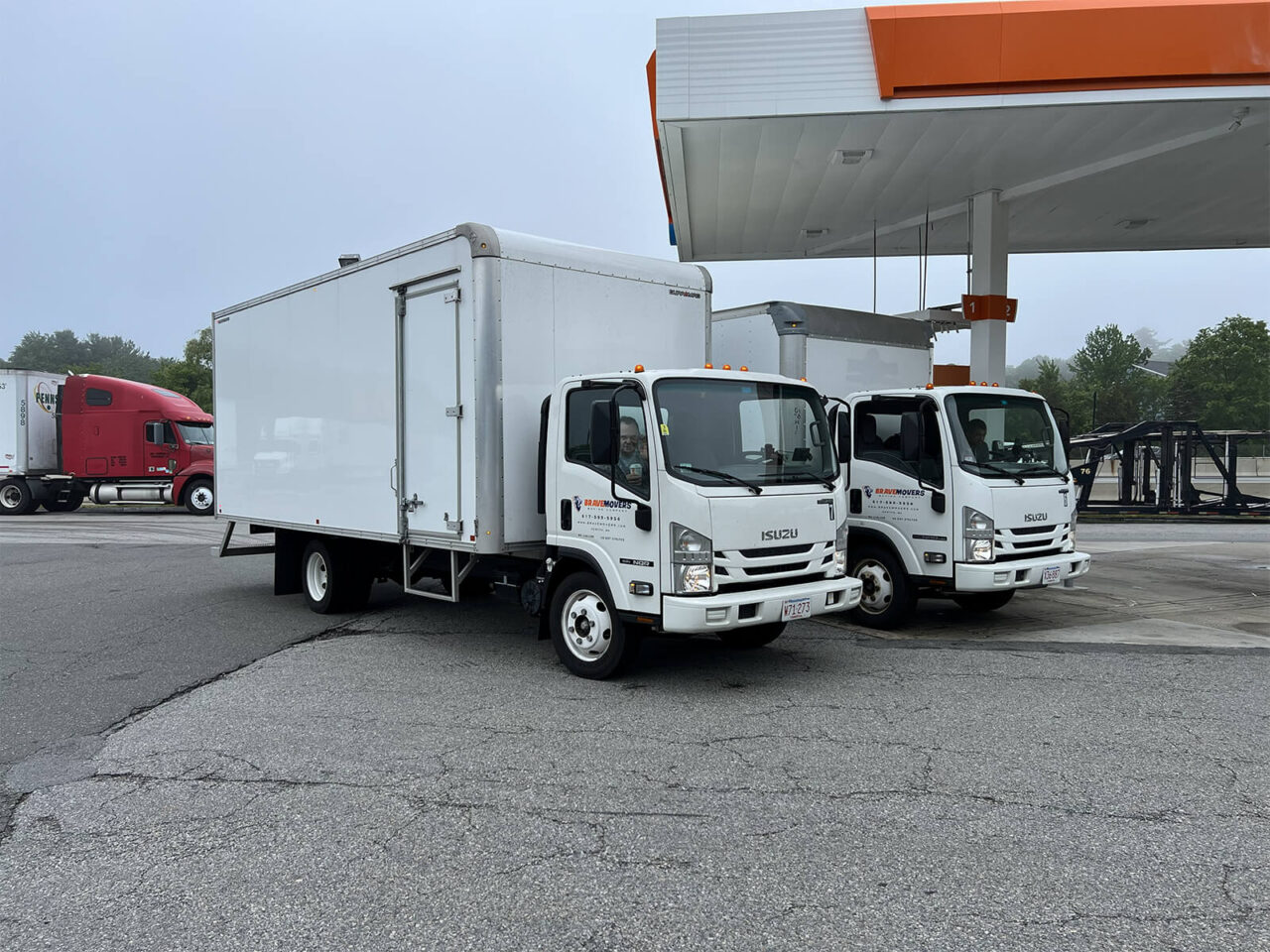
Ask anyone who has moved within Boston about the hardest part of the day, and you will rarely hear “carrying the couch.” You will hear about parking. In a city where entire neighborhoods run on resident-only streets and a legal curb spot can feel like a rumor, where the truck stops decides how long your move takes and how much it costs.
The tool that solves this is the Boston moving truck permit, officially called a temporary street occupancy permit. It is cheap, simple, and widely misunderstood. This guide covers exactly how it works in 2026: what it costs, when to apply, how to post the signs, and the mistakes that leave people circling the block with a full truck.
Do You Actually Need a Permit?
Here is the answer straight from the City of Boston: a permit for your moving truck “is not required, but it guarantees you a legal parking spot for the day of the move.”
Read that again, because the wording matters. Nobody will arrest you for moving without a permit. But without one, the truck has no guaranteed place to stop. What happens next is predictable: the crew double-parks on a narrow street and risks a ticket, or parks three blocks away and turns your move into a marathon of sidewalk trips.
Since local moves are billed by the hour, that distance is not just annoying. It is expensive. An extra hundred feet of carrying, multiplied by every box and piece of furniture you own, can easily add an hour or more to the bill. The permit costs $69. The hour of labor it saves usually costs more than that. This is why experienced Boston movers will ask about parking before they ask about almost anything else.
What the Permit Actually Gets You
A standard Boston moving permit reserves two parking spaces, roughly 40 feet of curb, for one day. The reserved window runs from 7 a.m. to 5 p.m., which is enough for nearly any residential move.
The space must be a real, legal parking spot. It can be residential, commercial, or metered, but it has to be a place where parking a vehicle is legal in the first place. A permit does not create parking where none exists: no bus stops, no accessible spaces, no fire lanes, no no-stopping zones.
One more limit worth knowing: the permit covers moving trucks, not personal vehicles. You cannot use it to hold a spot for your own car, and a moving company cannot use one to park the foreman’s sedan.
What It Costs
The fee structure is simple:
- Two non-metered spaces, one day: $69, and that includes two official “No Parking” signs.
- Two metered spaces, one day: an additional $40, for a total of $109.
Online payments take Visa, MasterCard, Discover, and American Express. If you apply in person, note one quirk from the city: if your debit card requires a PIN, it cannot be used for payment.
Compare that to the alternative. A parking ticket for a truck stopped where it should not be, plus the crew time burned while everyone improvises, routinely costs more than the permit several times over. The permit is not an expense. It is the cheapest line item in the whole move.
How to Apply Online
The online route is the one most people should use, with one condition: timing. The city accepts online applications only when your move date is at least 15 days and no more than eight weeks away.
That window is stricter than it looks. Apply nine weeks out and the system will not take it. Apply ten days out and you are locked out of the online option entirely.
The process itself takes minutes: create an account on the city’s portal, enter the date, the address the truck will park in front of, and whether the spaces are metered. Before applying, you can search the city’s street occupancy database to check that nobody else has already reserved that stretch of curb.
Then comes the part people forget: the permit arrives by mail. It is sent to the address on your account, and you should expect it within 10 days of approval. That is why the 15-day minimum exists. If moving day is closing in and the envelope has not shown up, contact the Parking Clerk’s Office at least three days before the move.
How to Apply In Person
If your move is closer than 15 days away, the in-person route is your fallback. You can apply at the Office of the Parking Clerk on the second floor of Boston City Hall when your move is at least three days away and no more than eight weeks out.
You will need to tell them three things: the date of your move, the address where you want to park, and whether the spot is metered. The fees are the same as online.
In-person application also covers situations the online system cannot. Permits can run for up to five consecutive days, which matters for commercial moves or multi-truck jobs. After five days the city requires a 48-hour break so the public can use the space again, and then a new permit can start.
Signs, Fliers, and the 48-Hour Rule
Getting the permit is only half the job. The permit reserves the space on paper; the signs reserve it in reality.
Post the signs at least 48 hours before the permit starts. Since permits begin at 7 a.m., a Saturday move means signs up by 7 a.m. Thursday. The city recommends posting three days ahead when you can, and in practice that advice is gold: Boston residents leave cars parked for days at a time, and the earlier they see the notice, the better your odds.
A few practical rules for posting:
- Attach signs at both ends of your reserved zone, at eye level, on poles or meters.
- Use zip ties or strong tape. A sign that blows away overnight legally never existed.
- Photograph the posted signs with timestamps. If you need enforcement later, that photo is your proof.
Then notify the neighbors. The city gives you a flier with your permit. Make copies and put them on every car parked within a half-block of your reserved spaces. For non-metered spaces, do this every day for at least two days before the move. For metered spaces, one day of fliering is enough.
And when it is over: take everything down. The city requires you to remove the signs and fliers after the move and clean up any debris. It is a small thing that keeps the system working.
If Someone Parks in Your Reserved Spot
It happens constantly. Someone ignores the signs, or never saw them, and there is a Honda sitting in the middle of your 40 feet at 7 a.m.
Here is the procedure. Call the Boston Police non-emergency line and give them the plate number, explaining the car is parked in a properly permitted and posted moving space. Officers will try to reach the owner first. If they cannot, they can authorize a tow.
Two things to know. First, towing is slow: expect the process to take a while, even when everything goes right. Second, you cannot shortcut it. Only police authorization leads to a tow, which is exactly why the timestamped photos of your posted signs matter. No proof of proper posting, no enforcement.
This is also where a professional crew earns its rate. Experienced movers do not stand around waiting during a parking dispute; they start with whatever access exists and re-park the moment the space clears. When you book your local moving service, mention your permit situation upfront so the crew plans around it.
Special Cases Worth Knowing
Moving containers and PODS
Containers follow different rules. You must apply in person, and you need a letter of authorization from the container company, which must hold a bond with the city. Plan extra time for this one.
Snow emergencies
A moving permit does not override a declared snow emergency. If Boston declares one, emergency routes shut down to all parking regardless of what your permit says. Winter moves need a weather backup plan.
Outdoor dining zones
The city does not issue moving permits for curb spaces designated for the outdoor dining program during its season. If your address falls in one of those stretches, you will need an alternate location nearby.
State roads
Boston permits apply to city streets. Roads controlled by the Department of Conservation and Recreation, like the parkways along the river, run a separate process. Your permit does not cover them.
The September 1 exception
Around the city’s famous moving day, the rules bend slightly. From August 31 to September 2, some common moving locations are pre-blocked by the city for truck drop-offs, and those spots do not require a permit. Check whether your street qualifies before paying for one. Even then, demand around that date is so extreme that a permit wherever possible is still the smart play.
Moving to Cambridge, Somerville, or Brookline? Different Planet
The most common permit mistake in Greater Boston is assuming one city covers another. It does not.
Cambridge, Somerville, and Brookline each run their own permit systems, with their own fees, application windows, and sign rules. A Boston permit means nothing the moment the truck crosses a city line.
If you are moving from Somerville to Boston, you may need permits at both ends: one from Somerville for the load, one from Boston for the unload. The fees are modest in each case, but the lead times stack, so apply for both as early as each system allows. When you book movers for a cross-city move, tell them both addresses; a crew that works the metro area daily, like ours covering Brighton and the surrounding towns, will usually flag which cities require what.
The Permit Math
If you are hesitating over $69, run the numbers the way a dispatcher would.
A two-mover crew in Boston bills roughly $100 to $160 per hour. If the truck parks even one building away instead of at your door, every trip to the truck gets longer, and a typical apartment means 60 to 100 trips. That drag easily adds 45 to 90 minutes to the job, which is $75 to $240 in labor. Add the risk of a parking ticket while the truck sits in a gray zone, and the math is not close.
The permit also protects your schedule in a subtler way. Elevator reservations in managed buildings run on fixed slots. A crew that loses an hour to parking can miss the slot entirely, and in some buildings the next opening is the next day. One $69 permit anchors the whole chain: truck at the curb, crew on pace, elevator on time, move done when it was supposed to be done.
The Mistakes That Cost People Their Spot
Every summer, the same handful of errors wrecks moves across the city:
- Applying inside the online blackout window. Fourteen days before the move is too late for online, and City Hall gets crowded in peak season. Apply the day your date qualifies, eight weeks out.
- Requesting an illegal space. A hydrant, a bus stop, a crosswalk. The application gets denied and you lose days. Check the spot in person first.
- Posting signs the night before. Legally it must be 48 hours minimum. Late signs mean no enforcement, and your reserved spot is just a suggestion.
- Skipping the fliers. Neighbors are not psychic. The flier is what gets cars moved voluntarily, which is faster than any tow.
- Forgetting the permit is mailed. The online permit arrives by post. A permit sitting in a mailbox across town reserves nothing.
- Leaving signs up after the move. The city requires cleanup, and your new neighbors are watching. First impressions matter.
- Assuming the movers handle it. Some companies help with permits as a service, many do not. Ask explicitly, in writing, before booking. If it is on you, own it early.
The Bottom Line
A Boston moving permit is the rarest thing in the moving industry: a small, fixed cost that removes a large, unpredictable one. Sixty-nine dollars buys you 40 feet of guaranteed curb from 7 a.m. to 5 p.m., enforcement rights if someone ignores it, and a crew that spends the day carrying your belongings instead of searching for parking.
Apply early, post the signs three days ahead, flier the block, photograph everything. The rest of the move gets easier from there.
Planning a move and want a crew that already knows these streets? Get a guaranteed rate through our booking page, and tell us your addresses so we can plan the parking before the truck ever rolls.
Frequently asked questions
No. The city is explicit that a permit is not required. What it gives you is a guaranteed legal parking spot and enforcement rights, which in dense neighborhoods like Beacon Hill, the South End, or Allston is the difference between a four-hour move and a seven-hour one.
$69 for two non-metered spaces for one day, including two signs. Metered spaces add $40. It covers 7 a.m. to 5 p.m.
Online: between 15 days and eight weeks before the move. In person at City Hall: between three days and eight weeks before. Earlier than eight weeks is not possible in either system.
The city mails it after approval, and you should receive it within 10 days. Apply with that mailing time in mind, and contact the Parking Clerk’s Office at least three days before the move if it has not arrived.
In-person permits can cover up to five consecutive days. After that, the city requires a 48-hour break before another permit can start on the same space.
Yes, and it is in-person only. You will also need a letter of authorization from the container company, and the company must hold a bond with the city.
Yes, if your signs went up properly. Police will attempt to contact the owner and can authorize a tow. Keep timestamped photos of your posted signs, because proper posting is what makes the permit enforceable.
Yes. Permits are issued for any day of the week, and the 7 a.m. to 5 p.m. window stays the same. Just remember that the 48-hour sign rule does not pause for weekends: a Monday move means signs up by Saturday morning, and fliers on cars over the weekend when most neighbors are actually home to see them.
Some companies offer permit assistance, others leave it to the customer. Neither is standard, so ask before you book and get the answer in writing.
You May Also Like
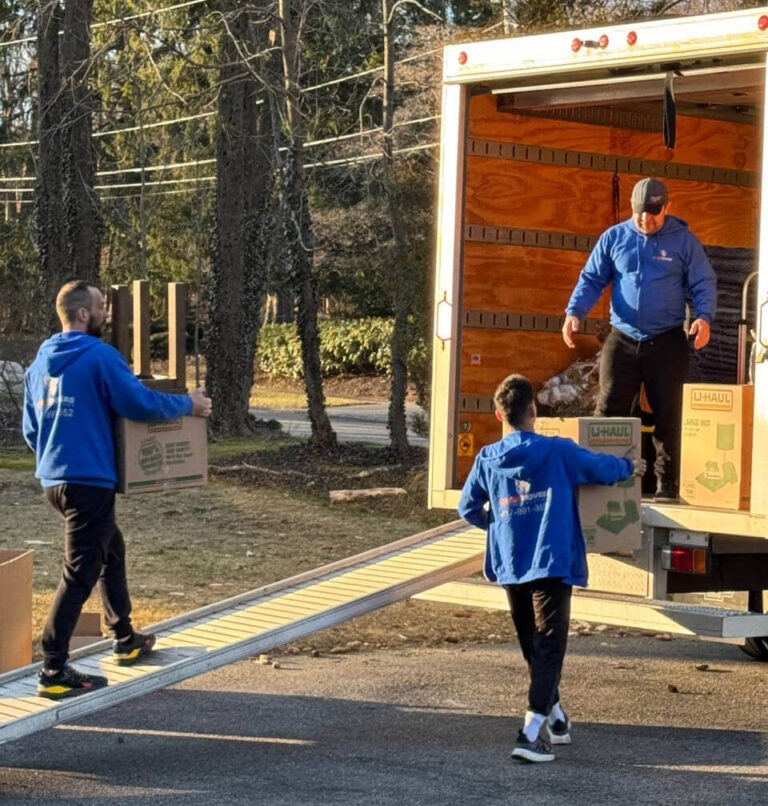
Moving to Boston: A Neighborhood Guide for Newcomers
A newcomer's guide to Boston neighborhoods: rent levels, the September 1 lease cycle, broker fees, transit, and which areas fit students, professionals, and families.
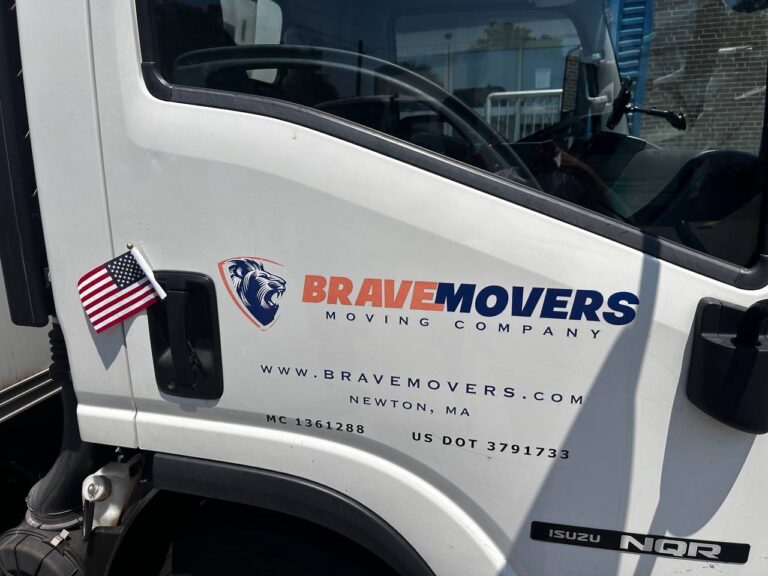
How to Choose a Moving Company in Boston: Licenses, Insurance, Red Flags
How to pick a Boston mover without getting burned: USDOT verification, real insurance vs the $0.60 default, quote traps, scam red flags, and the eight questions that reveal everything.
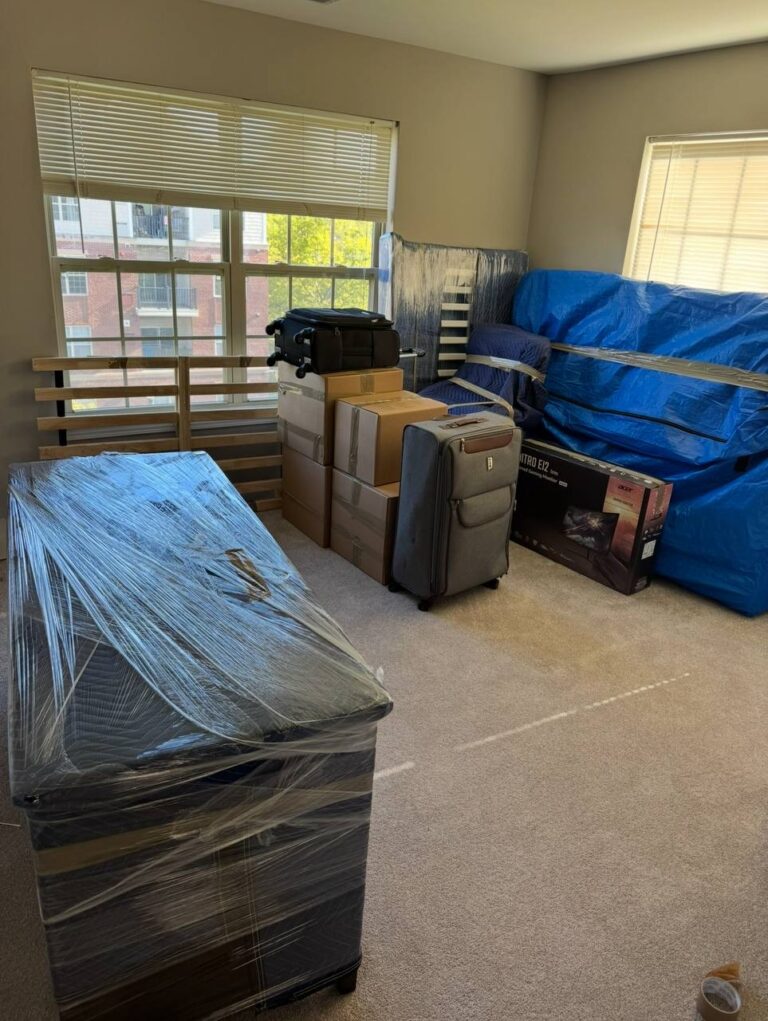
How to Pack for a Move: Room-by-Room Packing Guide
How to pack a home for moving: supplies, the box rules, room-by-room methods from kitchen to garage, fragile item technique, and a labeling system.